
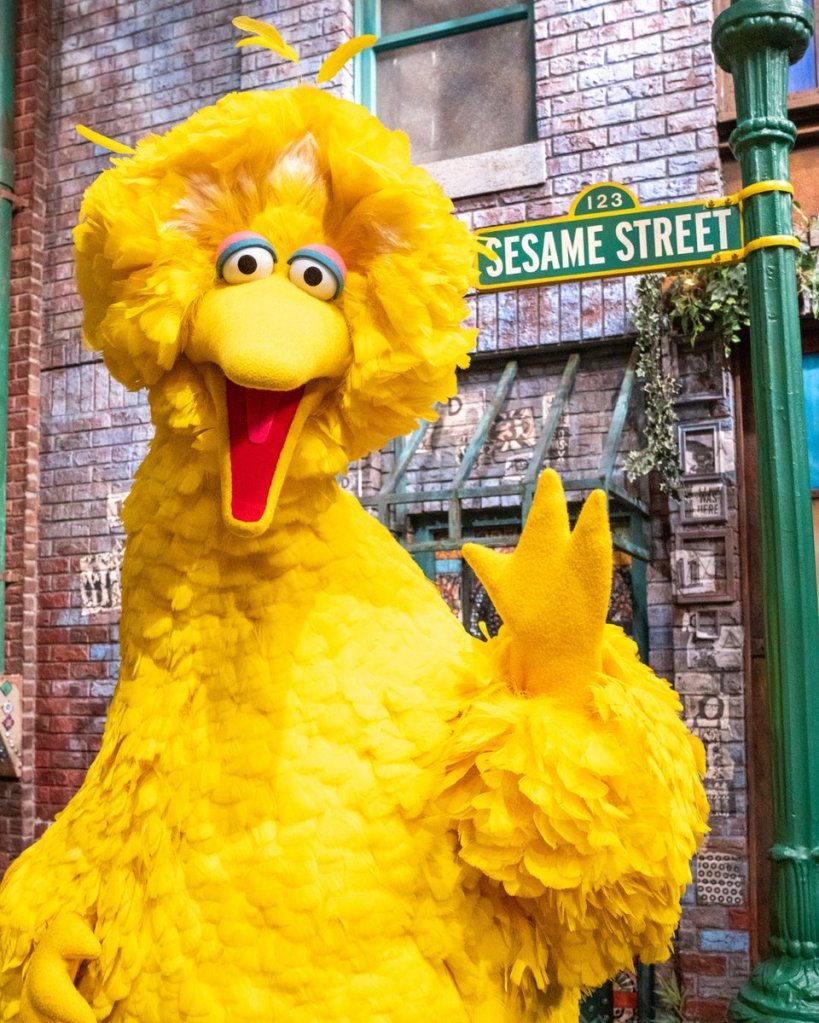
Who remembers the One of These Things Is Not Like the Others segment (and song) from Sesame Street? Children on the show were presented with four objects, one of which didn’t belong. In school, we are given compare and contrast assignments. Later on, we are taught how to think critically, to make complicated decisions, and to discern life’s important choices. To do this, we learn how to distinguish, how to differentiate, how to judge.
During our lives, we are constantly learning how to judge.
Yet in today’s parable… Jesus’ instruction is quite clear: Do not judge!
So, what exactly is he teaching us here?
Remember that divinity came to creation as a form of intervention, as a way of changing the trajectory of humanity. If everything had been going swimmingly, perfectly according to plan, and we had everything we needed for our salvation… well then, why come here? Why teach us? Why serve? Why save? Why suffer?
Today’s parable contains this line from a landowner to his workers when he was asked whether they should get rid of the unwanted weeds, which was a perfectly reasonable question. “He replied, ‘No, if you pull up the weeds you might uproot the wheat along with them.”
The lesson here is: it is not our job to pull up the weeds. That task will take place at the harvest… and not a minute beforehand. Turns out that differentiating between the weeds and the wheat is a lot harder than it might seem.
I’ve always considered this to be an act of instruction, like a new commandment. Thou shalt not judge! Ok God… well, you are God and if you tell me I shouldn’t judge, then I shouldn’t judge. Got it.
But more recently, I have come to see it as an act of mercy.
Every time you and I criticize, find fault, judge someone else’s character or motivations, show disdain for their choices… compare and contrast them to our own standards and values… then we are judging.
But… we don’t know what we don’t know. We don’t know their history, their wounds. We don’t know what battles they are fighting and crosses they are carrying. We only know what we see and we rarely if ever see the whole picture. More importantly, we don’t know what is in their hearts. And we don’t know what God has in store for them, we don’t know what God has yet to show them. We don’t know their potential for a happy ending, for redemption.
When we judge, we are, in effect, denying their redemption. We are placing ourselves above them… as the master was to the slaves in today’s story. We are taking on the role of God and saying that we can spot the weeds and we’re happy to toss them into the fire all by ourselves, thank you very much.
But what if what looks like a weed… is actually wheat?
Here is what Jesus wants us to know: we don’t have to take that onto our own shoulders. We don’t have to sort it out. He relieves us of that burden.
Because our job is actually so much simpler.
And what is that?
To love. Our job is to love.
Wait, even those things that are not like the others? Yes, even those things. Maybe especially those things.
He could not have said it any clearer when he told us to love our enemies.
Love our enemies.
That’s how we bend the trajectory of humanity.
And this isn’t his commandment. It is his gift of mercy.

